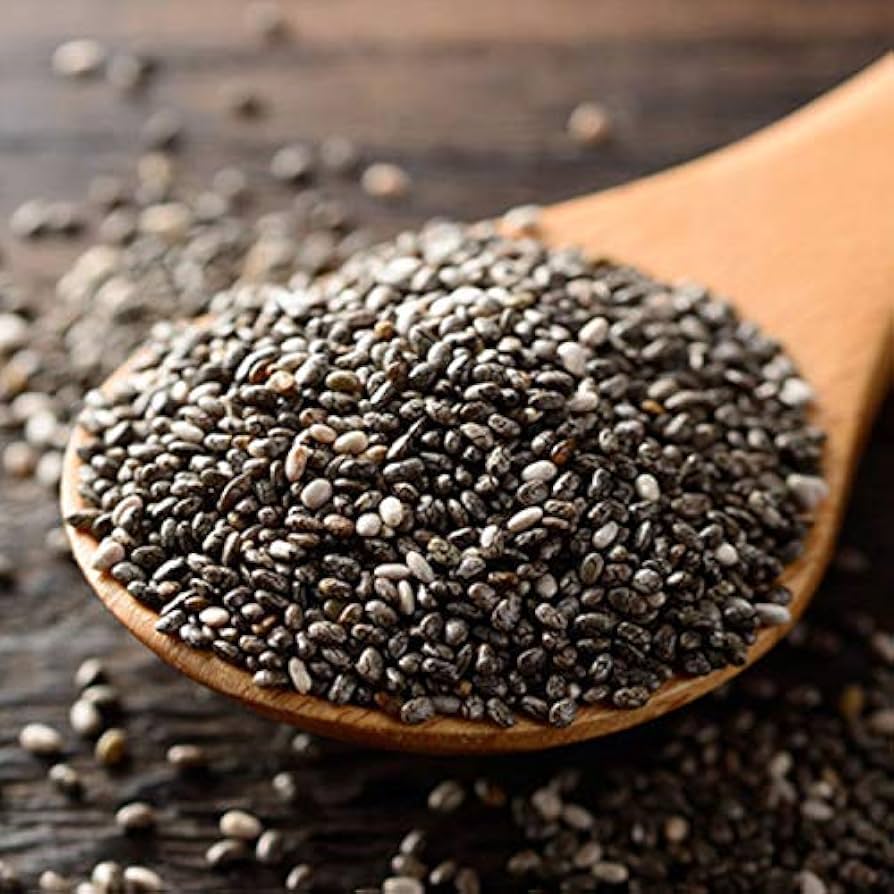
Despite their tiny size, chia seeds are a nutritional powerhouse that can benefit your heart, digestion, and bone health. A standard serving of two tablespoons (approx. 28g) provides roughly 138 calories, 10g of fiber, and 5g of protein.
Key Health Benefits
Heart Health: They are the richest plant-based source of Omega-3 fatty acids (ALA), which help reduce inflammation, lower “bad” LDL cholesterol, and decrease blood pressure.
Weight Management: High fiber and protein levels promote a feeling of fullness , which can help reduce calorie intake and curb cravings.
Better Digestion: With nearly 40% of your daily fiber needs in one serving, they aid regular bowel movements and act as a prebiotic to support healthy gut bacteria.
Bone Strength: Gram-for-gram, chia seeds contain more calcium than many dairy products. They are also rich in magnesium and phosphorus, which are essential for maintaining bone density.
Blood Sugar Control: The fiber in the seeds slows down the absorption of sugar, helping to prevent insulin spikes after meals.
How to Eat Them
Soaking: For the best results and easiest digestion, soak seeds in water, milk, or juice for at least 15–20 minutes (or overnight) until they form a gel.
Meal Additions: Stir them into yogurt parfaits, blend them into smoothies, or mix them with oats to make overnight oats.
As a Thickener: Use them as an egg substitute in baking (1 tbsp chia + 3 tbsp water) or to thicken soups and sauces.
Safety & Side Effects
Hydration is Key: Always drink plenty of water when eating chia seeds; their high fiber content can cause bloating, gas, or constipation if you are dehydrated.
Choking Hazard: Avoid eating large amounts of dry chia seeds, as they can expand in your throat and cause blockages.
Medication Interactions: Consult a doctor if you are on blood thinners or blood pressure medications, as chia seeds may have additive effects.
Read More: Ajwain Leaves | Natural Benefits for Digestion and Health