India’s Chief Justice highlights risks to women’s employment if menstrual leave becomes mandatory by law
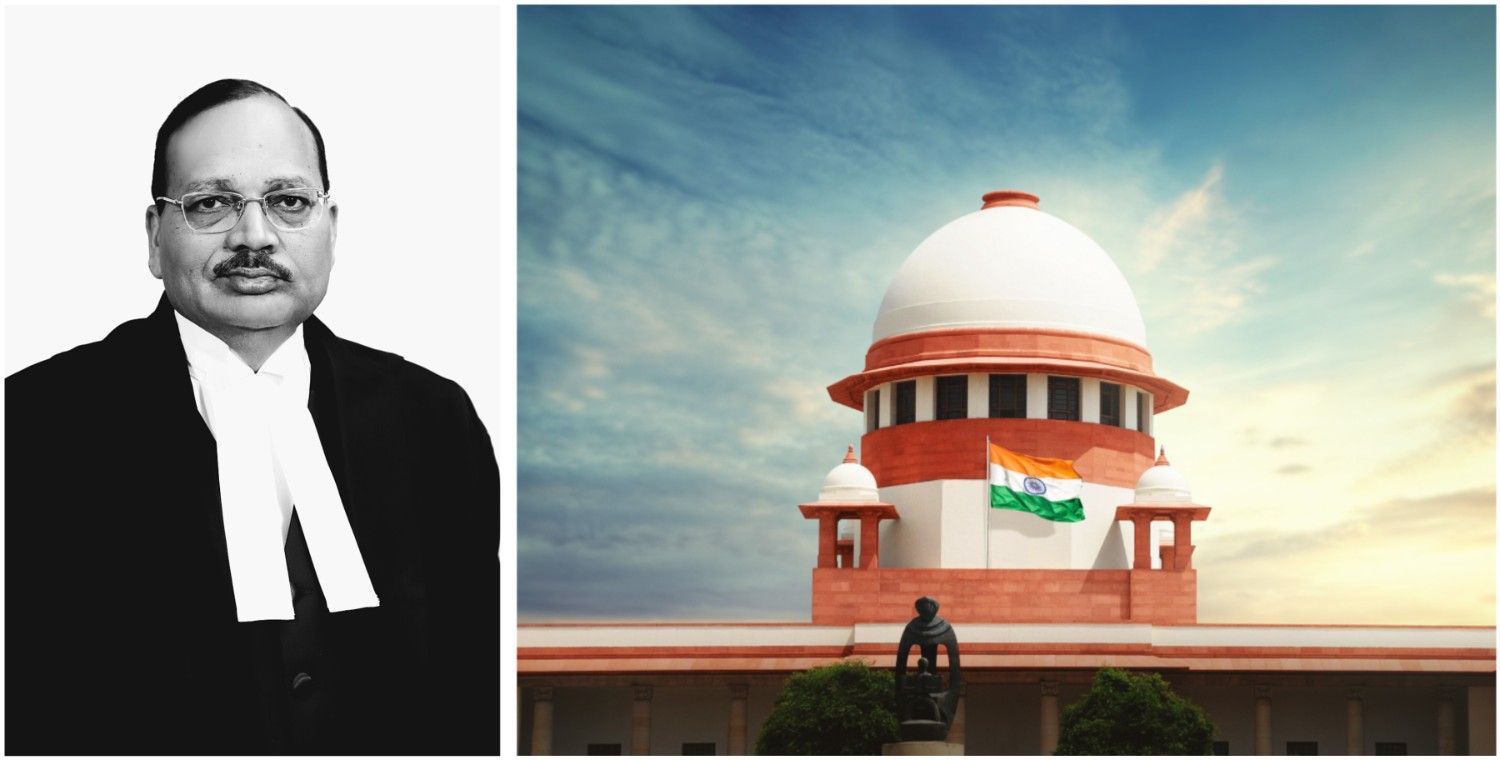
India’s Chief Justice has warned that making menstrual leave mandatory could harm women’s employment prospects.The Supreme Court of India made the observation during a hearing on a petition seeking paid menstrual leave for women. The court rejected the plea.
India’s Chief Justice Surya Kant headed the bench. The hearing took place in New Delhi. Lawyer Shailendra Mani Tripathi filed the petition. He asked the court to direct states to frame rules for paid menstrual leave.
India’s Chief Justice said awareness about menstrual health is important. He stressed the need for sensitisation. But he warned against a mandatory law.“Creating awareness and sensitisation is different, but the moment you bring in a law mandating menstrual leave, nobody will hire them (women),” India’s Chief Justice said.
He added that employers might see the requirement as an extra burden. He told the petitioner that hiring decisions often depend on employer perceptions.“You don’t know the mindset of employers. They will not hire women if we make such a law,” India’s Chief Justice said.
Justice Joymalya Bagchi was also on the bench. He noted that affirmative action for women is part of the Constitution. But he said the realities of the job market must be considered.“The more unattractive the human resource, the less is the possibility of assumption in the market. Look at it from the business model. Will any employer be happy with the competing claims of other genders?” Justice Bagchi said.
The court heard arguments on whether governments should introduce policies for mandatory paid menstrual leave in workplaces.
India’s Chief Justice pointed out potential unintended effects. He said such a law could create barriers for women in the job market. Employers might hesitate to hire or assign responsibilities to women.The bench did not pass any directions for a mandatory policy. It left the matter to the government to decide.
Women and employers should watch for any future government policies on menstrual health support. Voluntary measures may continue in some workplaces. No mandatory rules have been introduced yet based on this hearing.
The petition aimed to promote better menstrual health support. But the court focused on possible negative impacts on employment.This decision highlights ongoing debates about workplace policies for women. The Supreme Court stressed practical effects over new laws.
Read More: Shocking Menstrual Stigma Exposed: Raghav Chadha Demands Urgent Change in Parliament