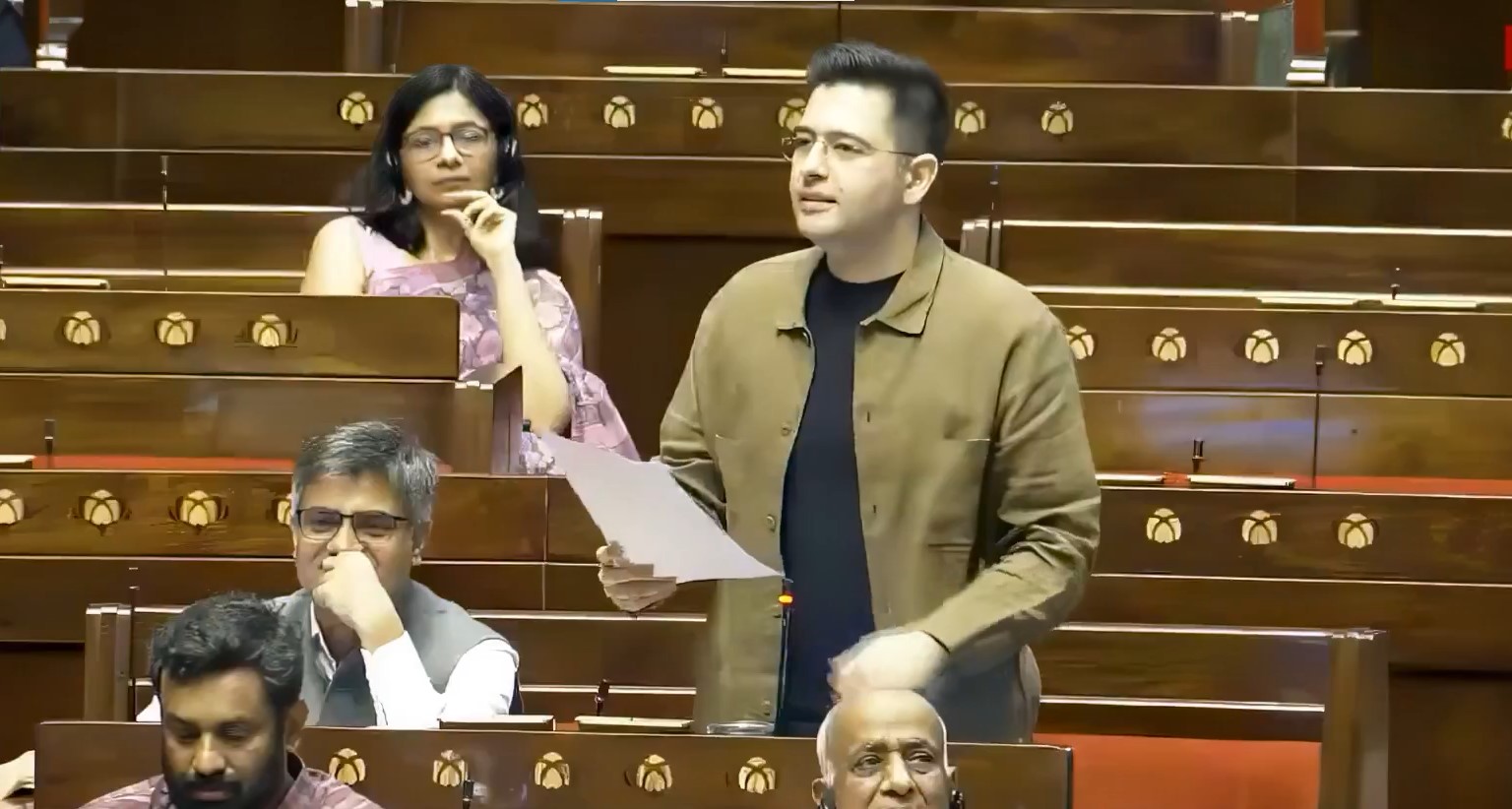
Panchayat seat reserved for women often sees proxy governance by male relatives, an issue raised through a supplementary question in Parliament last week.
Panchayat seat reserved for women is meant to give women a clear voice in local governance. Yet terms like “sarpanch pati” or “panchayat pati” have become common in many places. A Panchayat seat reserved for women often ends up being contested by the wife, daughter, sister or daughter-in-law of a male politician. Real authority continues to be exercised by him.
This is why these terms have become so common.The 73rd Constitutional Amendment mandated 33% reservation for women in Panchayati Raj institutions. The aim was to make women’s voices part of local governance.Out of roughly 31 lakh elected Panchayat representatives, about one third are women.
Issues With Panchayat Seat Reserved for Women
When an elected woman representative is only the face, authority stays with a male relative. This creates a parallel unelected authority. It forms a type of proxy governance the Constitution never intended.
Constitutional Reservation and Panchayat Seat Reserved for Women
The 73rd Constitutional Amendment brought in the 33% reservation for women in Panchayati Raj institutions. This step was taken so women could take part in local governance. Out of roughly 31 lakh elected Panchayat representatives, about one third are women because of this rule.
Proxy Governance in Panchayat Seat Reserved for Women
A Panchayat seat reserved for women sometimes leads to the woman holding only the title. The real power remains with a male relative. This arrangement goes against the spirit of the reservation.
Parliament Action on Panchayat Seat Reserved for Women
This is exactly why the issue was raised through a supplementary question in Parliament last week. The question asked if the government acknowledges the practice. It also asked what steps are being taken to ensure women exercise real authority.
The supplementary question stated: “Does the government acknowledge that this practice exists? And what steps are being taken to ensure that women elected to Panchayats exercise real authority, not merely hold the seat in name?”
People can expect the government to reply to the questions raised about the Panchayat seat reserved for women. The response will show what steps will follow. This will decide how women get real authority in the seats they win.The practice affects the intended purpose of the Panchayat seat reserved for women across many places. Women are elected to these seats in large numbers. Yet the real power often stays with someone else.The terms sarpanch pati and panchayat pati point to this situation. The reservation aims to bring change in Panchayati Raj. The questions in Parliament focus on making sure the elected women hold the authority.This matter concerns the Panchayat seat reserved for women and its working. The government will need to share its view on the steps required. Local governance depends on proper use of the reserved seats.
Also Read: MP Raghav Chadha Criticizes Telecom Firms for Blocking Incoming Calls on Low Balance