Supreme Court rules that only Hindus, Sikhs and Buddhists can claim Scheduled Caste status.
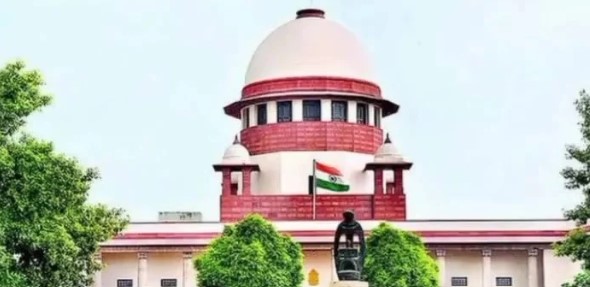
Supreme Court has ruled that only individuals professing Hinduism, Sikhism or Buddhism are eligible for Scheduled Caste (SC) status.
The Supreme Court clarified that conversion to any other religion, including Christianity or Islam, results in the loss of SC status. This also ends the protections available under the Scheduled Castes and Scheduled Tribes (Prevention of Atrocities) Act.
The judgement came from a two-judge bench. It upholds the Andhra Pradesh High Court’s decision in a case involving a pastor. The ruling reinforces that SC rights depend on religious identity as per the Constitution (Scheduled Castes) Order, 1950.
Supreme Court Ruling on SC Status
The Supreme Court stated clearly that no person who professes a religion other than Hinduism, Sikhism or Buddhism can be regarded as a member of a Scheduled Caste. Conversion from these faiths leads to immediate loss of SC benefits.
This decision maintains the existing legal position on who qualifies for Scheduled Caste reservations and protections. The court stressed that the bar on SC status after conversion is absolute.
The matter reached the Supreme Court after the Andhra Pradesh High Court ruled in a case linked to a Christian pastor. The High Court had observed that the pastor, who admitted to being a Christian for over a decade, could no longer claim SC status or invoke the SC/ST Act.
The Supreme Court agreed with this view and dismissed any challenge to the High Court order. It did not introduce new rules but confirmed the long-standing constitutional framework.
People who convert to Christianity or Islam from Hindu, Sikh or Buddhist communities should note that they will lose Scheduled Caste benefits. This includes reservations in education, jobs and legal protections under the SC/ST Atrocities Act.
The Supreme Court ruling applies across India. Affected individuals may need to review their eligibility for ongoing benefits. No further official action or timeline was mentioned in the judgement.